
Fat freezing is not risk-free
Fat freezing, also known as cryolipolysis, has become one of the best-known non-surgical body contouring treatments in the UK. It is designed to cool targeted fat cells so that the body gradually clears them away over time, without the incisions, anaesthetic or downtime associated with surgery. For many people, it can be an appealing option for stubborn pockets of fat that have not responded to diet and exercise.
However, when fat freezing goes wrong, the consequences can range from uncomfortable but temporary side effects to rare complications that require medical treatment. That matters because cryolipolysis is often marketed as simple and low-risk, which can lead patients to underestimate the importance of practitioner training, screening and device quality.

Emerging evidence shows that while most side effects are mild, cryolipolysis is not as harmless as it was once assumed. A review published in Aesthetic Surgery Journal Open Forum noted that our understanding of complications has evolved considerably since the treatment first gained regulatory approval. At the same time, the rise of unregulated devices and at-home fat freezing products has created fresh safety concerns.
This is why reputable providers place such importance on consultation, medical history checks, contraindication screening and aftercare. At specialist clinics such as Fat Freezing – Cryolipolysis, treatment should be approached as a medical-aesthetic procedure rather than a casual beauty service. The right patient, the right device and the right technique all matter.
In this article, we will look at the genuine risks of fat freezing, the actual examples of adverse side effects documented in the medical literature, how common they appear to be, what reputable clinics do to reduce risk, and how cryolipolysis compares with alternatives such as liposuction and Mounjaro.

What can go wrong with fat freezing?
The majority of patients experience only short-lived reactions after treatment. According to reviews of cryolipolysis safety data, common side effects include redness, swelling, bruising, tenderness, tingling and numbness in the treated area. These effects are well recognised in the literature and usually settle within days or weeks. Sources such as peer-reviewed safety reviews and treatment summaries in dermatology literature describe these effects as expected and generally self-limiting.
Common temporary side effects
- Erythema (redness)
- Swelling
- Bruising
- Tenderness or aching
- Tingling or pins and needles
- Temporary numbness or altered sensation
- Mild cramping or delayed soreness
These are usually considered part of the normal recovery process. Even so, patients should be told what is expected, how long symptoms may last, and when they should seek advice.
Rare but more serious complications
The more concerning events are uncommon, but they are real. Medical case reports and reviews have documented several serious complications:
- Frostbite and thermal injury, including full-thickness burns and fat necrosis
- Paradoxical adipose hyperplasia (PAH), where the treated area becomes larger rather than smaller
- Permanent contour irregularities
- Skin atrophy and dyschromia, meaning changes in skin texture or colour
- Delayed severe pain
- Very rare cold-triggered conditions such as cold urticaria, cold agglutinin disease and paroxysmal cold haemoglobinuria
- Other isolated reports including dizziness, fainting, lipomas, hernia and even fat embolism
One of the most striking concerns is that serious complications may initially be mistaken for a normal reaction. A case report in BMJ Case Reports described a patient who developed severe blistering two days after cryolipolysis. The reaction was first treated as bruising, but the skin later became necrotic over the following days, ultimately requiring specialist plastic and reconstructive care.
Another published report documented a 15 x 12 cm abdominal wound after cryolipolysis-related frostbite, with underlying fat necrosis requiring debridement and surgical closure. This type of outcome is very unusual, but it illustrates what can happen when tissue is exposed to excessive cold or when protective steps fail.
For patients researching body contouring, it is worth understanding that cryolipolysis is best viewed as low risk rather than no risk. That distinction is important.
Actual examples of adverse side effects
Much of the public discussion around fat freezing focuses on mild swelling or numbness, but the medical literature paints a more nuanced picture.
Frostbite, blistering and tissue necrosis
Case reports have linked cryolipolysis to serious cold injuries where skin and underlying tissue were damaged rather than simply cooled. In the published cases, patients developed blistering, severe pain, discolouration and eventually tissue breakdown. These complications have been associated with factors such as improper applicator use, faulty devices, missing or incorrectly positioned anti-freeze membranes, and provider inexperience. The mechanism is thought to involve vasoconstriction, tissue hypoxia and thrombosis triggered by extreme cold exposure.
Paradoxical adipose hyperplasia
PAH is perhaps the best-known serious complication of fat freezing. Instead of shrinking, the fat in the treated area enlarges and becomes firmer. This tends to appear weeks or months after treatment. It is not dangerous in the same way as a burn, but it can be distressing and often requires liposuction or abdominoplasty to correct.
Research suggests PAH may be more common than initially reported by manufacturers. A study discussed in Dermatologic Surgery estimated an incidence of around 1 in 138 treatment cycles, which is far higher than older manufacturer figures of around 1 in 4,000. Men and people of Hispanic ethnicity have been identified as being at increased risk in some studies, although PAH can occur in other patient groups too.
Permanent skin and contour changes
Although uncommon, some patients are left with contour deformities, asymmetry, textural changes or pigment changes in the treated area. These can occur if the treatment is poorly planned, if an unsuitable candidate is treated, or if tissue injury develops and healing is suboptimal.
Cold-triggered medical problems
Cryolipolysis is contraindicated for people with certain cold-sensitive conditions. Reviews have highlighted the risk of precipitating or worsening disorders such as cryoglobulinaemia, cold urticaria and cold agglutinin disease. For this reason, a proper medical screening is not optional; it is central to safe practice.
Anyone considering treatment should also read a reputable provider’s guidance on aftercare and warning signs. Resources such as why cryolipolysis aftercare matters are useful because they help patients distinguish between expected short-term effects and symptoms that need urgent review.
Fat Freezing vs Liposuction vs Mounjaro: Risk Comparison
Potential advantages of fat freezing
- Non-surgical, so there are no incisions, stitches or general anaesthetic risks.
- Usually involves little downtime compared with surgical body contouring.
- Common side effects are typically mild and temporary, such as swelling, redness and numbness.
- Treatment is localised, which can suit people targeting stubborn areas rather than seeking whole-body weight loss.
- For suitable candidates, reputable clinics can reduce risk through screening, device protocols and follow-up.
How its risks and limits compare
- It is not risk-free; rare complications include frostbite, burns, tissue injury and paradoxical adipose hyperplasia.
- Results are not immediate and may be modest compared with liposuction.
- Liposuction is more invasive and carries surgical risks such as infection, seroma, anaesthetic complications, bleeding and thromboembolism, but it can remove larger volumes of fat in one procedure.
- Mounjaro is a medication rather than a contouring treatment, so its risk profile is different and includes gastrointestinal side effects, gallbladder issues, pancreatitis warnings and the need for medical prescribing oversight.
- Fat freezing does not treat obesity or metabolic health in the way weight-loss medication may, but medication does not specifically sculpt a localised area in the way cryolipolysis can.
How common are serious fat freezing complications?
This is one of the hardest questions to answer precisely because adverse events are likely underreported. Cryolipolysis is performed on a very large scale worldwide, and many patients only ever experience mild temporary effects. That said, published reviews increasingly warn that serious complications are probably more common than early marketing suggested.
For ordinary short-term side effects such as redness, swelling and numbness, frequency is high enough that patients should expect some degree of reaction. These effects are part of the normal treatment experience.
For severe injuries such as full-thickness burns or necrosis, the available literature suggests they are rare. However, rarity does not remove the need for vigilance, particularly as unregulated devices and poorly trained operators have entered the market.
PAH deserves special attention because newer estimates are unexpectedly high. If the 1 in 138 figure seen in published research proves closer to the real-world rate than older manufacturer estimates, then this complication is uncommon but not exceptionally rare. That is exactly why informed consent should mention it clearly.
Patients should also remember that fat freezing is often performed thousands of times daily worldwide, as noted in published commentary, so even a low complication rate can translate into a meaningful number of affected patients.
Why complication rates may be underestimated
- Minor and moderate complications may be managed privately and never published
- Some delayed effects, especially PAH, may not be recognised immediately
- Patients treated by non-medical providers may not know where to report adverse events
- At-home or unregulated device use is unlikely to appear in formal clinical data
If you are weighing up treatment options, it helps to compare not just marketing claims but also risk profiles and treatment goals. For a more detailed broader comparison, see fat freezing vs liposuction surgery and fat freezing vs Mounjaro, which look at how these approaches differ in invasiveness, outcomes and suitability.
Why do things go wrong?
When serious cryolipolysis complications occur, they are often linked to one of a few preventable problems.
1. Inexperienced providers
Fat freezing may be non-surgical, but it still requires training. Providers need to understand anatomy, contraindications, applicator placement, treatment settings and how to recognise abnormal post-treatment reactions. Inexperience can lead to poor patient selection, inadequate skin protection or excessive exposure.
2. Faulty or unregulated devices
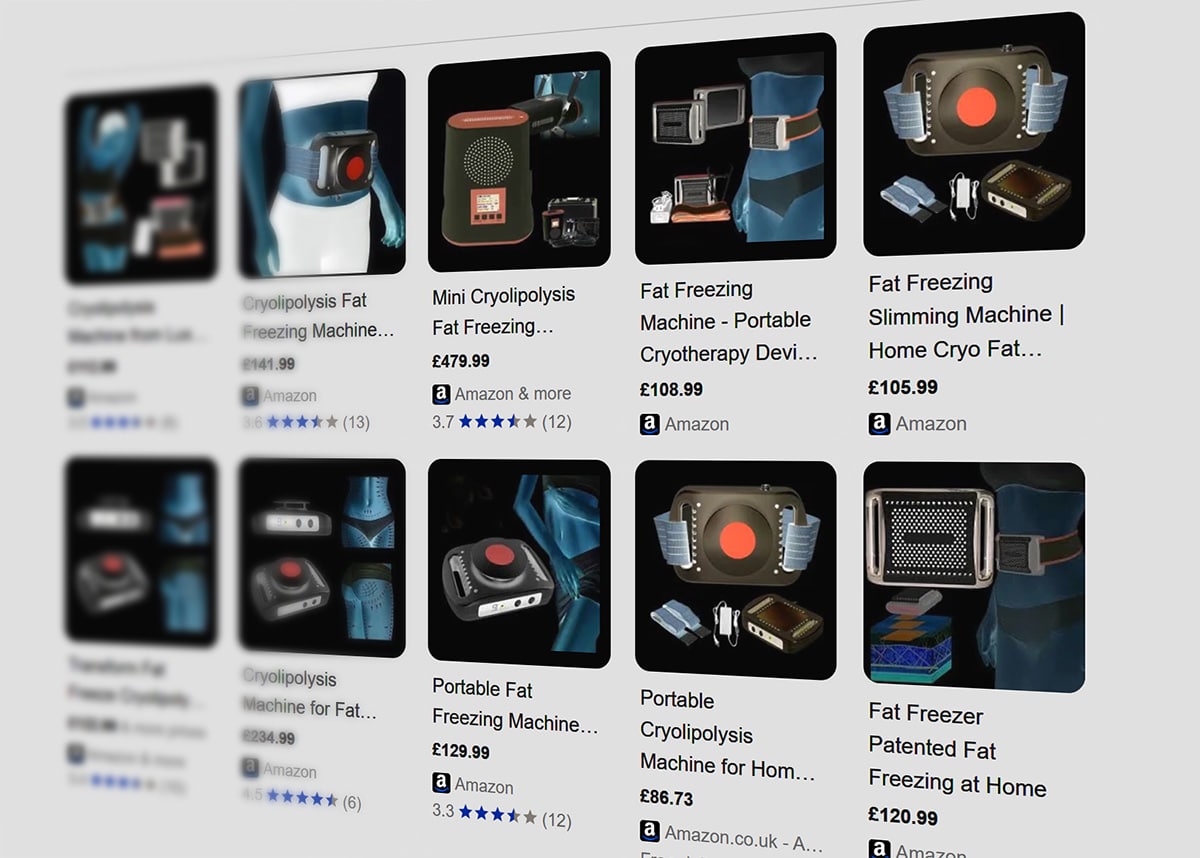
Approved systems are designed to control cooling precisely. Unregulated devices may not maintain temperature safely or evenly. This increases the risk of tissue injury and inconsistent results. The growth of low-cost copycat machinery is a major concern in the aesthetics sector.
3. Problems with the anti-freeze membrane
A protective gel pad or membrane is used between the applicator and the skin. Published case reports have implicated missing, faulty or poorly positioned membranes in cold injuries. This is one of the most important procedural safeguards.
4. At-home treatments
DIY fat freezing using internet-bought gadgets or even dry ice is particularly risky. These methods bypass screening, device regulation and professional monitoring altogether. They should be avoided.
5. Treating the wrong patient
Some people should not have cryolipolysis. Contraindications include active hernia in the treatment area, certain existing scars, and cold-related disorders such as cryoglobulinaemia and cold urticaria. A reputable clinic will screen for these carefully before proceeding.
Fat freezing is low risk in the right hands, but low risk is not the same as no risk.

How reputable clinics reduce the risks
Risk mitigation starts long before the applicator touches the skin. The safest providers build multiple layers of protection into the patient journey.
Comprehensive consultation and screening
This should include medical history, current medications, pregnancy status where relevant, previous surgery, hernias, cold sensitivity disorders and realistic expectations. Fat freezing is a body contouring treatment, not a treatment for obesity.
Careful treatment planning
The area should be assessed properly, the right applicator selected, and settings chosen according to the patient’s anatomy and treatment goals. Overlapping or overly aggressive treatment can increase the risk of uneven results and tissue injury.
Use of regulated equipment and consumables
Reputable clinics use maintained, professional-grade devices and the correct protective membranes for every treatment. This is one of the clearest differences between specialist practices and poorly regulated operators.
Staff training and escalation pathways
Providers should know how to identify when a reaction is normal and when it is not. Severe blistering, escalating pain, dusky discolouration, worsening swelling or skin breakdown should never be dismissed. Early referral to appropriate medical services can limit damage.
Clear aftercare and follow-up
Patients need straightforward advice about what to expect, what to avoid and what warning signs should prompt urgent review. Follow-up also helps clinics spot delayed issues such as PAH.
As the UK’s leading brand of Fat Freezing clinics, Fat Freezing specialises in cryolipolysis and other weight loss treatments. In practice, that sort of specialisation matters because focused experience tends to produce better consultation standards, safer protocols and more realistic patient guidance.
How does fat freezing compare with liposuction and Mounjaro?
Fat freezing vs liposuction
Liposuction is a surgical procedure, so its risk profile is fundamentally different. It can produce more dramatic and immediate fat removal, but it also brings surgical hazards including infection, bleeding, seroma, contour irregularity, anaesthetic risks and rare but serious complications such as deep vein thrombosis or fat embolism. Guidance from bodies such as the NHS makes clear that cosmetic surgery carries real medical risks and recovery demands.
By contrast, cryolipolysis avoids surgery, but the trade-off is that results are generally more gradual and less dramatic. It is often better suited to localised contouring than major volume reduction.
Fat freezing vs Mounjaro
Mounjaro (tirzepatide) is a prescription medicine used within regulated medical frameworks for diabetes and, in some settings, weight management. It works systemically by affecting appetite regulation and blood sugar pathways; it does not target one localised area. Its side effects and precautions are therefore entirely different from those of cryolipolysis. Common issues include nausea, vomiting, diarrhoea and constipation, while product information and professional guidance also discuss more serious concerns such as pancreatitis, gallbladder problems and the need for careful prescribing oversight. Information from NICE and the electronic medicines compendium is useful for up-to-date prescribing and safety details.
In simple terms, cryolipolysis is a contouring treatment; Mounjaro is a medical weight-loss or metabolic treatment. They solve different problems and carry different risks.
What patients should ask before booking
- What device do you use, and is it a regulated professional system?
- How do you screen for contraindications such as hernias or cold-related disorders?
- What side effects are normal, and what symptoms would count as a warning sign?
- How common is paradoxical adipose hyperplasia in your experience?
- What follow-up do you offer if I have concerns after treatment?
- Who would manage or refer me if a complication occurred?
Patients exploring alternatives may also want to compare approaches such as cryolipolysis vs Aqualyx or look at other non-surgical body contouring options such as muscle-toning treatments like EMSculpt, depending on whether their main concern is fat, tone or body shape.
The bottom line
When fat freezing goes wrong, the problem is usually not that cryolipolysis is inherently dangerous in every case. It is that a medical-aesthetic procedure has been treated too casually. Most people will only experience temporary redness, swelling or numbness. A small number, however, may face more serious complications including burns, tissue injury or paradoxical adipose hyperplasia.
The safest way to approach fat freezing is to choose an experienced clinic, have a thorough consultation, make sure the device and consumables are appropriate, and treat aftercare seriously. Patients should also be realistic: cryolipolysis can be effective for selected areas of stubborn fat, but it is not a replacement for a medically supervised obesity treatment plan, and it does not offer the dramatic removal that surgery can.
Informed patients make safer choices. That means looking beyond the sales language and asking the right clinical questions before treatment.
The best fat freezing result is not just visible fat reduction, but a treatment plan that is safe, suitable and honestly explained from the start.
Frequently Asked Questions
Is fat freezing safe?
For most suitable patients treated in reputable clinics, fat freezing has a good safety profile and causes only temporary effects such as redness, swelling, numbness or tenderness. However, it is not completely risk-free. Published medical literature has reported rare but significant complications including frostbite, thermal injury and paradoxical adipose hyperplasia. Safety depends heavily on proper screening, trained practitioners, regulated equipment and correct use of the protective membrane.
What is the most serious complication of cryolipolysis?
There is no single answer, but the most serious published complications include full-thickness cold burns, tissue necrosis and severe frostbite-like injuries requiring surgery. Another major concern is paradoxical adipose hyperplasia, where the treated fat enlarges instead of shrinking. PAH is not usually dangerous to overall health, but it can be cosmetically significant and emotionally distressing, and may require surgical correction.
How common is paradoxical adipose hyperplasia?
Estimates vary. Older manufacturer figures suggested it was very rare, around 1 in 4,000 treatment cycles. More recent peer-reviewed research has suggested it may occur in roughly 1 in 138 treatment cycles, which is much higher than many patients realise. Exact real-world rates remain uncertain, partly because adverse events may be underreported.
Who should avoid fat freezing?
People with cold-sensitive disorders such as cold urticaria, cryoglobulinaemia or cold agglutinin disease should generally avoid cryolipolysis. It may also be unsuitable over areas with a hernia, some scarred areas, or where skin integrity is compromised. A full consultation is needed to assess individual suitability. If a clinic does not take a detailed medical history, that is a warning sign in itself.
How does fat freezing compare with liposuction and Mounjaro for risk?
Fat freezing is less invasive than liposuction, so it avoids incision and anaesthetic risks, but it can still cause rare local complications such as burns or PAH. Liposuction can remove more fat in one go, yet it carries broader surgical risks and a longer recovery. Mounjaro has a very different profile because it is a prescription medicine that works systemically and may cause gastrointestinal side effects and other medication-related risks. The right option depends on whether your goal is localised contouring, larger-volume fat removal or overall weight management.
What should I do if I think my fat freezing treatment has gone wrong?
Contact your clinic immediately and seek urgent medical advice if you develop severe blistering, escalating pain, marked discolouration, skin breakdown, fainting or any symptoms that seem out of proportion to what you were told to expect. Early assessment matters. Published case reports suggest that delayed recognition can allow tissue damage to worsen. If necessary, ask for referral to appropriate medical specialists rather than assuming the reaction will settle on its own.