
Fat Freezing vs Mounjaro: Choosing the Right Path for Fat Reduction
Modern weight management offers more than just diet and exercise. For those struggling with stubborn fat or broader weight concerns, two approaches are gaining traction: fat freezing – a targeted, non-invasive cosmetic procedure – and Mounjaro (tirzepatide) – a prescription medication for systemic weight loss. While both are innovative, they tackle very different problems. Understanding their unique strengths, risks, and suitability is essential for making informed choices. This in-depth guide will help you navigate the options as you consider your aesthetic or health journey.

What Are Fat Freezing and Mounjaro?
Fat Freezing (CoolSculpting / Cryolipolysis)
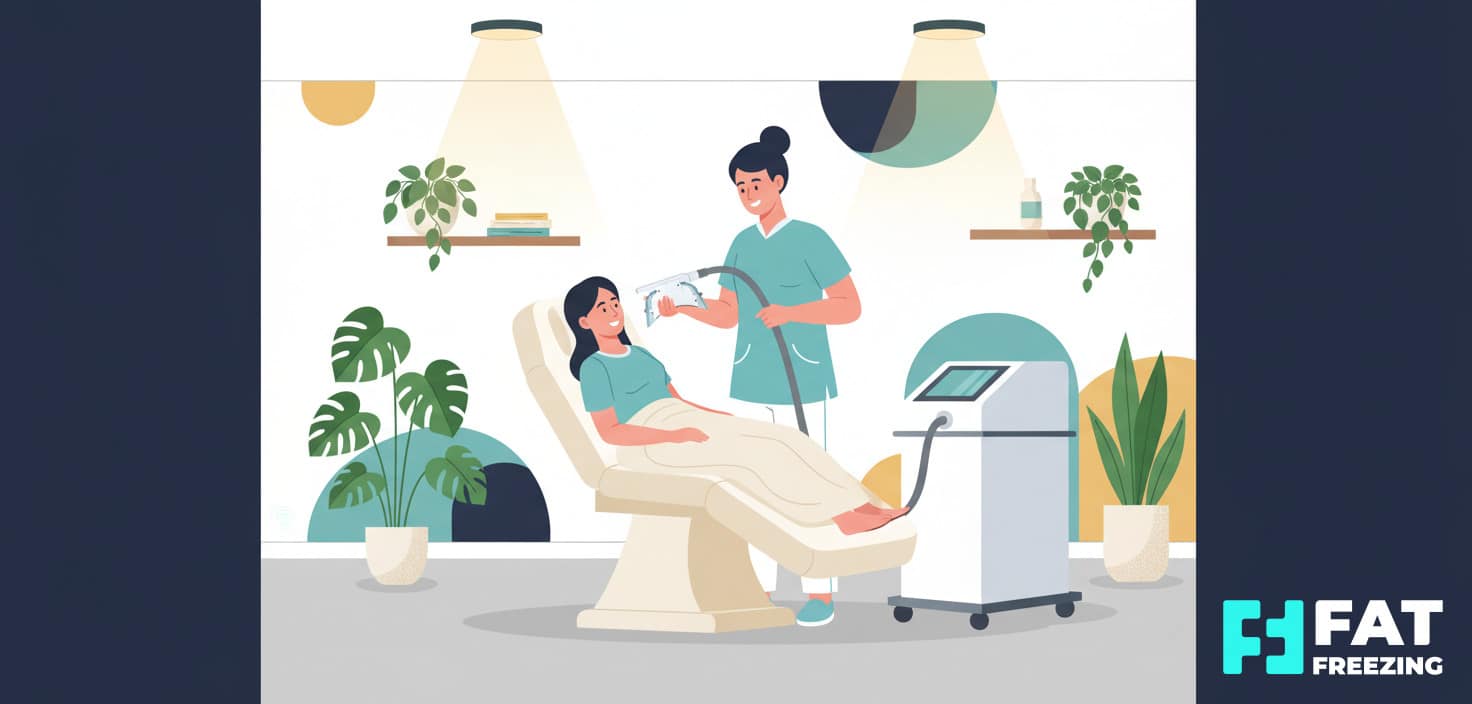
Fat freezing, including advanced systems like Cryolipolysis, is a non-surgical body contouring treatment that selectively targets stubborn fat deposits. Controlled cooling is applied to areas such as the abdomen, thighs, or chin, gently freezing fat cells without harming skin or muscle. Over several weeks, your body naturally eliminates the destroyed fat cells via the lymphatic system. It’s key to note: this is not a weight-loss solution—rather, it sculpts the silhouette by reducing up to 25% of fat thickness in treated areas per session (PubMed).
Mounjaro (Tirzepatide)
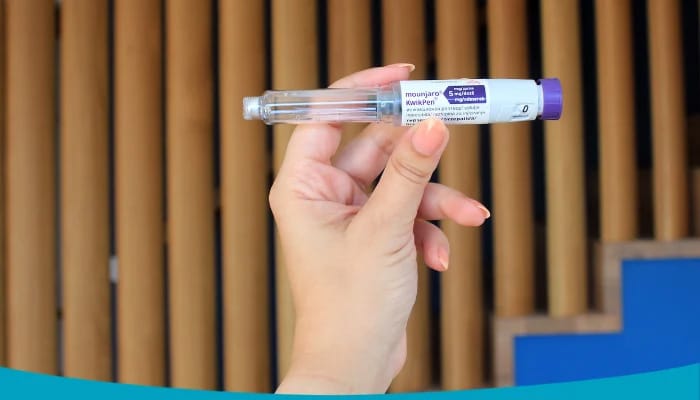
Mounjaro, or tirzepatide, is a prescription-only, once-weekly injection licensed for type 2 diabetes and increasingly used for weight management. It is classed as a dual GIP/GLP-1 receptor agonist, mimicking natural gut hormones to suppress appetite, enhance blood sugar control, and increase energy expenditure (NHS). Users typically see whole-body, systemic weight loss, affecting both body fat and, to some extent, lean mass. Mounjaro and fat freezing are therefore complementary rather than alternative treatments.
How Do the Treatments Work?
| Aspect | Fat Freezing (Cryolipolysis) | Mounjaro (Tirzepatide) |
|---|---|---|
| Target | Local fat bulges | Full-body metabolism & appetite |
| Mechanism | Controlled cooling destroys fat cells permanently | Dual hormone stimulation curbing hunger and improving insulin |
| Result | Permanent reduction in fat cells at treated site | Shrinkage of fat cells across the body, with potential for regain if therapy stops |
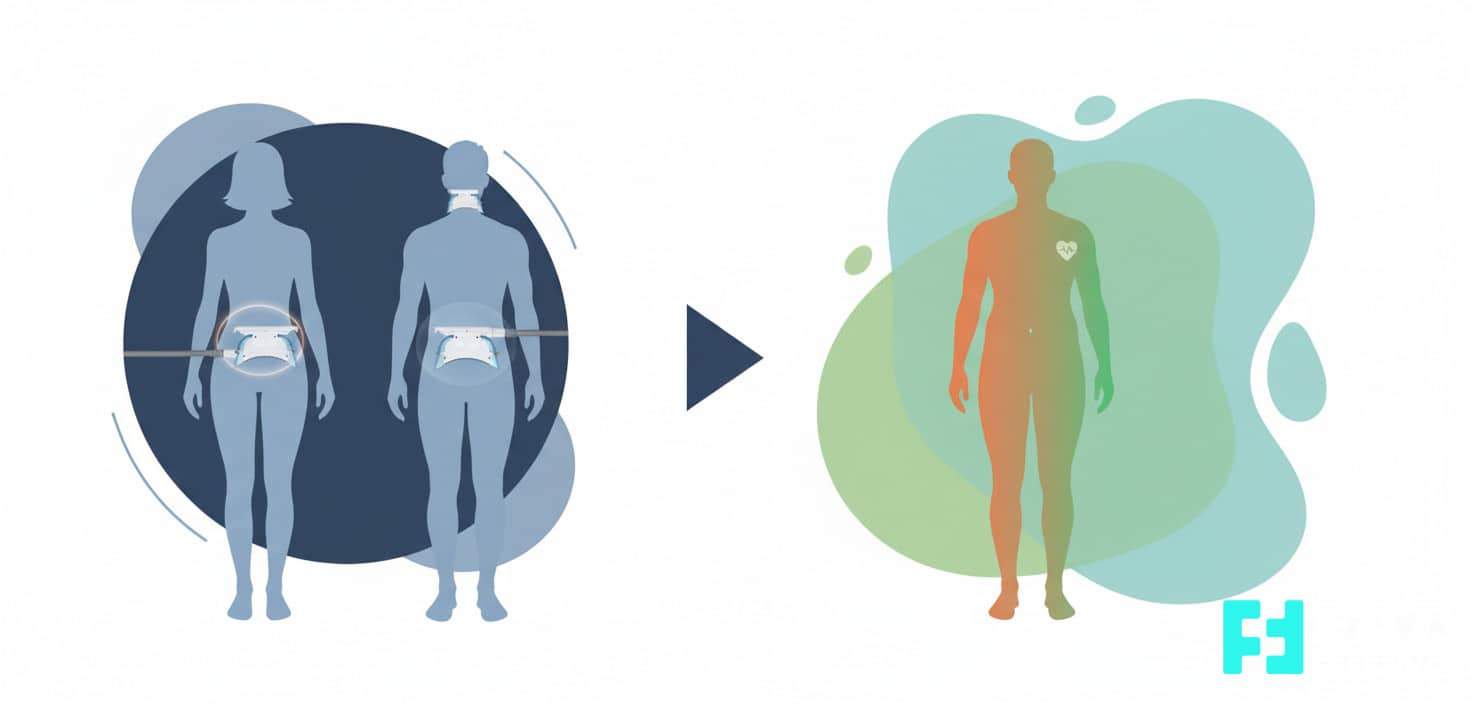
While fat freezing delivers focused changes to specific areas, Mounjaro acts on appetite and metabolism throughout the body. Their workings couldn’t be more different.
Effectiveness: Results, Timelines, and Durability
Magnitude of Change
Mounjaro can support remarkable weight reduction: major clinical trials report average losses between 22–26% of body weight (NEJM). Day-to-day clinic experience may see 5–10% loss, highly dependent on diet, activity, and adherence.
In contrast, fat freezing typically delivers 20–25% reduction in fat thickness per area per session. Changes become visible after 2–4 weeks, with peak results at 8–12 weeks. Weight on the scale does not significantly shift, but stubborn bulges noticeably flatten or soften (clinic reference).
Durability of Results
- Fat freezing’s destroyed cells in the treated spot do not return. However, significant weight gain can still lead to enlargement of remaining fat cells elsewhere.
- With Mounjaro, the number of fat cells stays the same, but shrinks. Most people will need ongoing treatment or lifestyle change to keep weight off long-term, as discontinuation can lead to regain.
Fat Freezing vs Mounjaro: Side-by-Side Comparison
Fat Freezing (Cryolipolysis) Benefits
Suggest using bullets list
Mounjaro (Tirzepatide) Benefits
- Systemic weight loss: affects overall health and organs
- Improves blood sugar, cholesterol, and blood pressure
- Suitable for overweight or obese individuals needing medical support
- Backed by robust clinical trials for both diabetes and obesity
- May be covered by health systems for some users
Who Is a Good Candidate for Each Approach?
According to national and international guidelines (NICE), fat freezing is best for those close to their desired weight, seeking refinement in areas such as the lower abdomen, flanks, or chin. Patients should expect modest, visible contouring, not a dramatic weight shift.
Mounjaro, on the other hand, is recommended for individuals with obesity or overweight, particularly when health conditions such as diabetes, hypertension, or fatty liver are present. It’s intended for broader metabolic wellness and requires commitment to regular injections and medical monitoring. Some individuals may benefit from using both treatments sequentially: shedding significant weight systemically with Mounjaro, then addressing stubborn pockets via fat freezing once weight loss stabilises.
Fat freezing sculpts where the gym cannot, while Mounjaro transforms the entire body from within.
Procedure, Experience, and Downtime
Fat Freezing
Fat freezing takes place in-clinic, often at specialist providers like Fat Freezing UK, in a single 35–60 minute, no-downtime session per treated area. Most patients return to their daily routine straight after, experiencing only minor sensations—for example, mild numbness, tingling, or swelling. No anaesthesia or surgical recovery is needed.
Mounjaro
Mounjaro is prescribed and self-administered (or given in-clinic) as a once-weekly injection. Ongoing medical supervision is essential to monitor efficacy and safety. There is no downtime or disruption to daily life, but long-term adherence is required to maintain results.

Side Effects, Risks, and Safety Considerations
Mounjaro (Tirzepatide)
Potential side effects of Mounjaro include nausea, vomiting, diarrhoea, constipation and abdominal discomfort (NHS side-effects). Rare but serious risks, such as pancreatitis or thyroid C-cell tumours, mean it should only be used under careful medical supervision. Some patients may lose muscle mass as well as fat, highlighting the importance of nutrition and resistance training alongside therapy.
Fat Freezing (Cryolipolysis)
Side effects are generally mild and localised: redness, numbness, swelling, tingling, or mild bruising, resolving within days or weeks. A rare but notable complication is paradoxical adipose hyperplasia—an unusual enlargement of treated fat tissue, emphasising the need for experienced providers. Fat freezing does not affect the metabolism, organs, or untreated body areas.
Choosing the right fat reduction strategy is about more than looks—it's about matching your goals and lifestyle to proven science.
Cost, Commitment, and Real-World Considerations
Mounjaro is usually available only via private prescription when used for weight loss, with an average cost of around £350–£400 per month (variable by market, source, and dosage). Many patients need long-term or ongoing treatment; stopping the medication, especially without lifestyle changes, can lead to regaining lost weight. For diabetes treatment, some medications may be covered under NHS or private insurance plans.
Fat freezing, offered by market leaders such as Fat Freezing UK, is priced per area/per session. Most individuals require a one-off or short course of treatment to achieve targeted results. While prices vary by clinic and number of sessions, the cost structure is typically finite—making it attractive for those seeking a “pay once” approach to local body refinement.
Medical Benefits vs Aesthetic Outcomes
Mounjaro delivers broad health improvements—such as better blood sugar, blood pressure, cholesterol, and sleep apnoea—with weight loss as a route to greater wellbeing. Fat freezing produces specific, visible changes in how clothes fit and how your body is shaped, often boosting confidence in those who have already lost weight. Best long-term results are achieved when the right tool is applied to the right goal—health and aesthetics need not be mutually exclusive.
Combining Treatments for Optimal Results
Rather than viewing these innovations as competing, many specialists recommend a staged approach. Use Mounjaro under medical supervision to address systemic weight and health issues. Once you’re near your target weight, treatments like fat freezing can fine-tune areas where persistent fat remains. This combination supports both lasting health and the confidence that comes with a well-contoured figure.
Frequently Asked Questions
Is fat freezing a weight-loss treatment?
No, fat freezing (Cryolipolysis) is not a weight-loss method. It reduces stubborn fat pockets in specific areas but does not significantly lower your overall body weight. It is best used for body contouring when weight is stable or near goal.
Can Mounjaro and fat freezing be combined?
Yes. Mounjaro can help you lose substantial weight systemically, improving health markers. Once you reach or approach your target, fat freezing can sculpt localised areas for a more refined result. Many clinics support a combined, staged strategy.
Are results from fat freezing permanent?
The destroyed fat cells in treated areas do not return. However, future weight gain can cause remaining fat cells to enlarge, so healthy habits are important for lasting results.
What is the average cost of Mounjaro and fat freezing?
Mounjaro typically costs £350–£400 per month in the UK when prescribed for weight loss. Fat freezing is priced per area/session; most clinics recommend 1–3 sessions per area. The total spend on fat freezing is usually finite, while Mounjaro represents an ongoing monthly expense.
How quickly will I see results with each treatment?
Fat freezing results become visible after 2–4 weeks, with full effect at 8–12 weeks. Mounjaro’s weight loss builds gradually, most noticeably over months of consistent use.
Which option is right for me?
The ideal choice depends on your goals. If you need major, systemic weight loss for health, Mounjaro may be appropriate. If you’re close to your ideal weight but bothered by particular bulges, fat freezing is better suited. Many people benefit from both in sequence, so consult a reputable specialist for tailored advice.