Two Different Tools for Two Different Jobs
If you’ve ever spent months eating well, hitting the gym and still found yourself frustrated by a pocket of fat that simply won’t shift, you’re not alone. Stubborn fat is one of the most common reasons people start exploring treatments like cryolipolysis – better known as fat freezing.
But here’s the question we hear most often at our clinics: is fat freezing a replacement for diet and exercise? The short answer is no. The longer, more useful answer is that the two approaches do very different things, and understanding how they complement one another is the key to achieving results you can actually maintain.
This guide unpacks how fat freezing and a healthy lifestyle compare, what the science says, and when a targeted treatment genuinely earns its place alongside good nutrition and regular movement.

How Each Approach Actually Works
Diet and Exercise: Shrinking Fat Cells
When you eat in a calorie deficit and move your body regularly, you create the conditions for your body to use stored fat as fuel. Crucially, this process shrinks existing fat cells rather than removing them. The cells remain in place, ready to expand again if your habits change.
This is why diet and exercise produce broad, whole-body changes – and why they deliver enormous benefits beyond appearance, including improved cardiovascular health, better insulin sensitivity, stronger bones, and improved mental wellbeing. According to the NHS, regular physical activity can lower the risk of major illness, including heart disease, stroke and type 2 diabetes, by up to 50%.
Fat Freezing: Eliminating Fat Cells
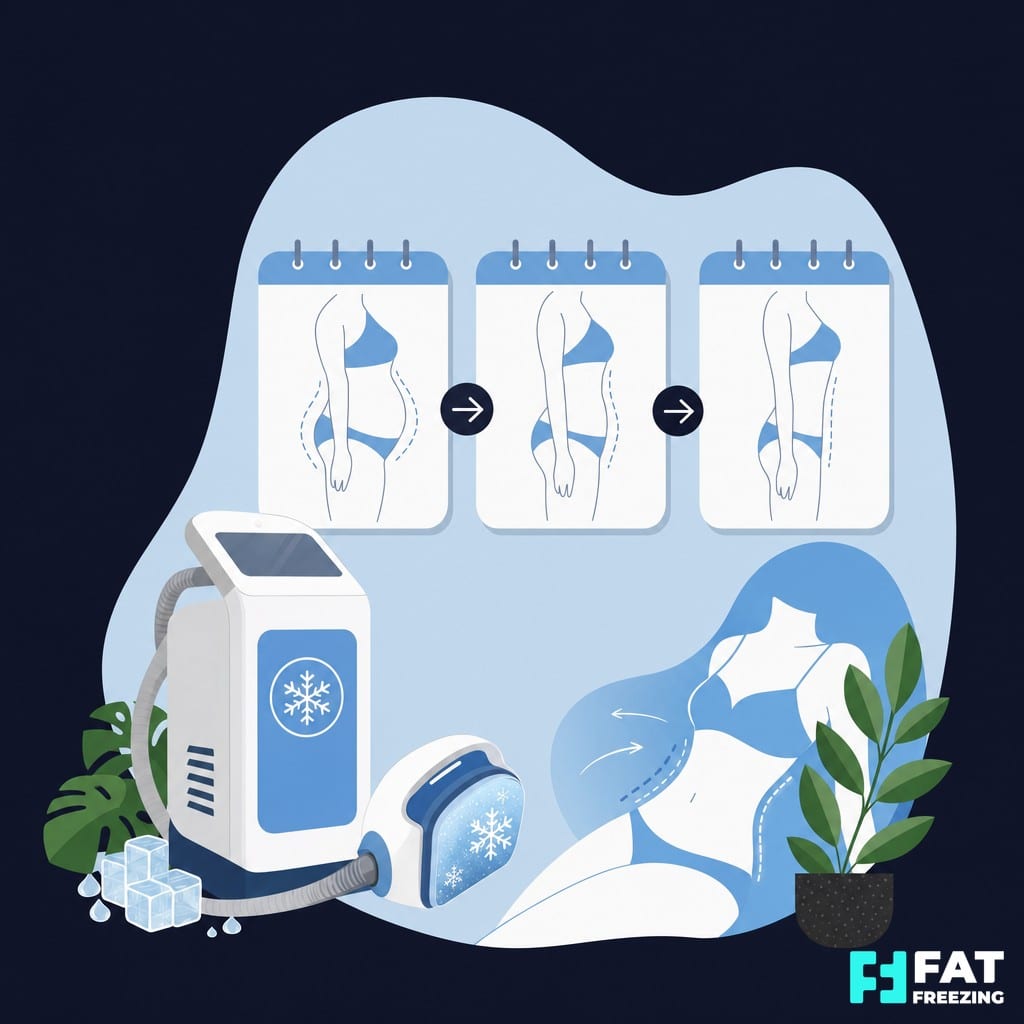
Fat freezing, or cryolipolysis, was developed following Harvard research showing that fat cells are more vulnerable to cold than the surrounding skin and tissues. Controlled cooling triggers apoptosis (programmed cell death) in subcutaneous fat cells, which the body then gradually clears through the lymphatic system over the following weeks.
The treatment is FDA cleared and typically reduces fat in the treated area by around 10-25% per cycle. You can read more about the underlying mechanism in our deep dive on how cryolipolysis really works.
The Critical Difference: Fat Loss vs Weight Loss
This is where many people get confused. Fat freezing is a fat loss treatment, not a weight loss treatment. The scales may not move dramatically after a session, but the shape and contour of the treated area can change noticeably.
Diet and exercise, by contrast, can produce significant changes on the scales because they reduce fat across the whole body and may also affect muscle and water weight. Harvard Health notes that cryolipolysis is best suited to people who are already close to their target weight and want to address localised, pinchable areas of fat – not those looking to lose a substantial amount of weight overall.
Why Stubborn Fat Resists Diet and Exercise
Fat distribution is heavily influenced by genetics, hormones and age. Some areas – the lower abdomen, flanks, inner thighs, the area under the chin – are notoriously resistant to lifestyle changes. We’ve explored this in detail in our article on why losing weight is more difficult for some people.
For these stubborn pockets, no amount of additional cardio or calorie cutting reliably produces results. This is precisely the situation where fat freezing earns its place.
Fat freezing isn't a shortcut around healthy living - it's a precision tool for the stubborn areas that healthy living alone can't fix.
When Fat Freezing Makes Sense
Cryolipolysis is most effective for people who:
- Are within roughly 10-15kg of their ideal weight
- Maintain a reasonably healthy diet and active lifestyle
- Have one or more localised, pinchable areas of fat that haven’t responded to consistent effort
- Want body contouring rather than overall weight reduction
- Prefer a non-surgical, non-invasive option over procedures like liposuction
If that sounds like you, our guide on what results to expect from fat freezing walks through realistic timelines and outcomes.
When Diet and Exercise Should Come First
If you’re carrying a substantial amount of weight overall, fat freezing is unlikely to be the right starting point. The treatment can only address small, localised pockets – it cannot meaningfully change overall body composition or improve metabolic health markers like blood pressure, cholesterol or visceral fat.
In these cases, the foundation has to be lifestyle change, ideally with professional support from a GP, dietitian or qualified personal trainer. A study published via the National Library of Medicine found that combined diet, exercise and counselling programmes consistently outperformed diet-only approaches across virtually every health marker, including the preservation of lean muscle mass.
Once you’ve reached a healthier baseline weight, fat freezing can then play a useful role in refining areas that remain stubborn.
Fat Freezing vs Diet and Exercise: An Honest Comparison
Where Fat Freezing Excels
- Targets specific, stubborn areas that don’t respond to lifestyle changes
- Permanently destroys treated fat cells, which cannot return
- Non-invasive with no surgical downtime
- Predictable, scientifically validated results
- Ideal for body contouring close to target weight
- Treats areas where genetics or hormones cause uneven fat distribution
Where Diet and Exercise Excel
- Improves cardiovascular health, strength and metabolic function
- Reduces visceral (deep abdominal) fat, which fat freezing cannot address
- Supports mental health, sleep quality and longevity
- Cost-effective and sustainable as a long-term habit
- Produces whole-body changes rather than localised contouring
- Builds lean muscle mass when combined with resistance training
The Complementary Approach: Best of Both Worlds
The most successful clients we see treat fat freezing as part of a broader approach to looking and feeling their best – not as a substitute for the work.
A sensible framework looks like this:
- Build the foundation. Establish consistent habits around nutrition, movement, sleep and stress. This delivers the health benefits no aesthetic treatment can replicate.
- Identify what remains. After several months of consistent effort, take stock. Are there specific areas that haven’t responded? Areas you’ve struggled with for years?
- Use targeted treatment for the rest. This is where fat freezing, or in some cases complementary treatments like EMSculpt for muscle toning or ultrasound cavitation, can refine what diet and exercise alone couldn’t reach.
- Maintain. Fat cells destroyed by cryolipolysis are gone for good, but the remaining fat cells in your body can still expand. Healthy habits protect your results.
What About Other Non-Surgical Options?
Fat freezing isn’t the only non-surgical option, and the right choice depends on your goals, the area being treated, and your overall health. For example, Aqualyx fat dissolving injections work well for very small, precise areas like under the chin, while EMSculpt focuses on building muscle definition rather than reducing fat.
If you’re weighing your options, our comparisons on fat freezing vs liposuction and fat freezing vs Mounjaro may help clarify which approach suits your situation.
Setting Realistic Expectations
Honest expectations are the cornerstone of satisfaction with any aesthetic treatment. Fat freezing typically reduces fat thickness in the treated area by 10-25% per session. Visible changes appear from around three weeks, with peak results at roughly three months as the body clears the destroyed cells.
You may need more than one session per area to achieve your goal, and ongoing healthy habits remain essential – both to protect your investment and for your overall wellbeing. If results aren’t matching what was advertised, our article on when fat freezing goes wrong covers what to look out for and how to choose a reputable clinic.
The Bottom Line
Fat freezing and a healthy lifestyle aren’t competing options – they’re complementary tools. Diet and exercise transform your health, your energy and your overall body composition. Fat freezing offers a precise, evidence-backed way to address the stubborn areas that resist even the most disciplined effort.
Used together, they help you reach goals that neither could achieve alone – and with results that last because the foundation underneath them is sound.
Frequently Asked Questions
Can fat freezing replace diet and exercise?
No. Fat freezing is a body contouring treatment, not a substitute for a healthy lifestyle. It can only target small, localised pockets of subcutaneous fat and offers none of the cardiovascular, metabolic or mental health benefits that come from regular exercise and balanced nutrition. It works best as a complement to – not a replacement for – healthy habits.
Will I lose weight on the scales after fat freezing?
Probably not significantly. Fat freezing reduces fat thickness in a specific area rather than overall body weight. You’re more likely to notice changes in how your clothes fit and the shape of the treated area than in the number on the scales. If overall weight loss is your priority, diet and exercise – possibly supported by medical interventions where appropriate – should come first.
When should I consider fat freezing instead of just trying harder with diet and exercise?
Fat freezing is worth considering when you’ve genuinely committed to consistent healthy eating and regular exercise for several months but still have one or more specific, pinchable areas of fat that simply won’t respond. Common examples include the lower belly, love handles, inner thighs and the area under the chin. These areas often resist lifestyle changes due to genetic and hormonal factors that are outside your control.
Are the results of fat freezing permanent?
The fat cells destroyed during cryolipolysis are eliminated permanently and do not return. However, the remaining fat cells in your body – both in treated and untreated areas – can still expand if you gain weight. This is why maintaining a healthy lifestyle after treatment is essential for protecting your results long-term.
Is fat freezing safe?
Cryolipolysis is FDA cleared and considered safe when performed by trained practitioners using reputable equipment. Side effects are typically mild and temporary, including redness, numbness and tenderness in the treated area. As with any treatment, choosing an experienced, well-reviewed clinic is the most important factor in a safe, successful outcome.
How does fat freezing compare to other non-surgical fat reduction options?
Each non-surgical option works differently. Fat freezing destroys fat cells through cold; Aqualyx dissolves them via injection; ultrasound cavitation uses sound waves to break down fat; and EMSculpt builds muscle rather than removing fat. The right choice depends on the area being treated, the amount of fat present, and your overall goals – a consultation is the best way to find the right match.