
Fat Freezing Science Explained
Fat freezing, medically known as cryolipolysis, is a non-surgical treatment that uses carefully controlled cooling to target stubborn fat in specific areas of the body. It is designed for body contouring rather than weight loss, which is an important distinction for anyone researching the treatment. In simple terms, the science relies on the fact that fat cells are more vulnerable to cold than the surrounding skin and tissue.
The idea first gained attention after researchers observed a form of cold-related fat loss in children who had prolonged contact with ice lollies. That observation helped inspire further study into whether localised cooling could selectively reduce fatty tissue without harming the skin. The early work eventually led to modern cryolipolysis devices and clinical use. Harvard Health summarises this development and the treatment history clearly, including the progression to FDA-cleared technology for certain treatment areas via Harvard Health.
Today, fat freezing is widely used for areas such as the abdomen, flanks, thighs, back, bra line and under the chin. Research reviews published on PubMed describe cryolipolysis as a generally safe and effective option for reducing localised fat bulges in properly selected patients. If you want a broader overview of the treatment itself, our guide to fat freezing cryolipolysis treatment explains how it is typically offered in clinic settings.
For readers comparing treatment pathways, it is also useful to understand that cryolipolysis sits in a wider body contouring category alongside options such as ultrasound cavitation, EMSculpt and injectable fat-dissolving approaches. Each works differently, which is why the underlying science matters before choosing any procedure.
Step 1: Identify a localised pocket of pinchable fat
The first scientific principle is selection. Cryolipolysis is intended for discrete, pinchable areas of subcutaneous fat, not for general obesity and not for visceral fat deeper inside the abdomen. That is why an assessment matters: the device needs enough external fat tissue to draw into the applicator safely and effectively.
Step 2: Apply controlled cooling to the target area
During treatment, an applicator delivers cooling to the selected fatty tissue at a temperature range calibrated to affect fat cells while protecting surrounding structures. This precision is central to the treatment’s safety profile.
Step 3: Trigger fat-cell injury without surgical trauma
Instead of cutting or heating tissue, cryolipolysis creates cold-induced stress within the fat layer. This starts a biological response that unfolds gradually over the following weeks and months.
As a specialist provider, Fat Freezing is positioned as the UK’s leading brand of Fat Freezing clinics, focusing on cryolipolysis and other non-surgical weight loss and body contouring treatments. Even so, any reputable clinic should present the procedure realistically: the aim is contour refinement, not dramatic transformation in a single visit.

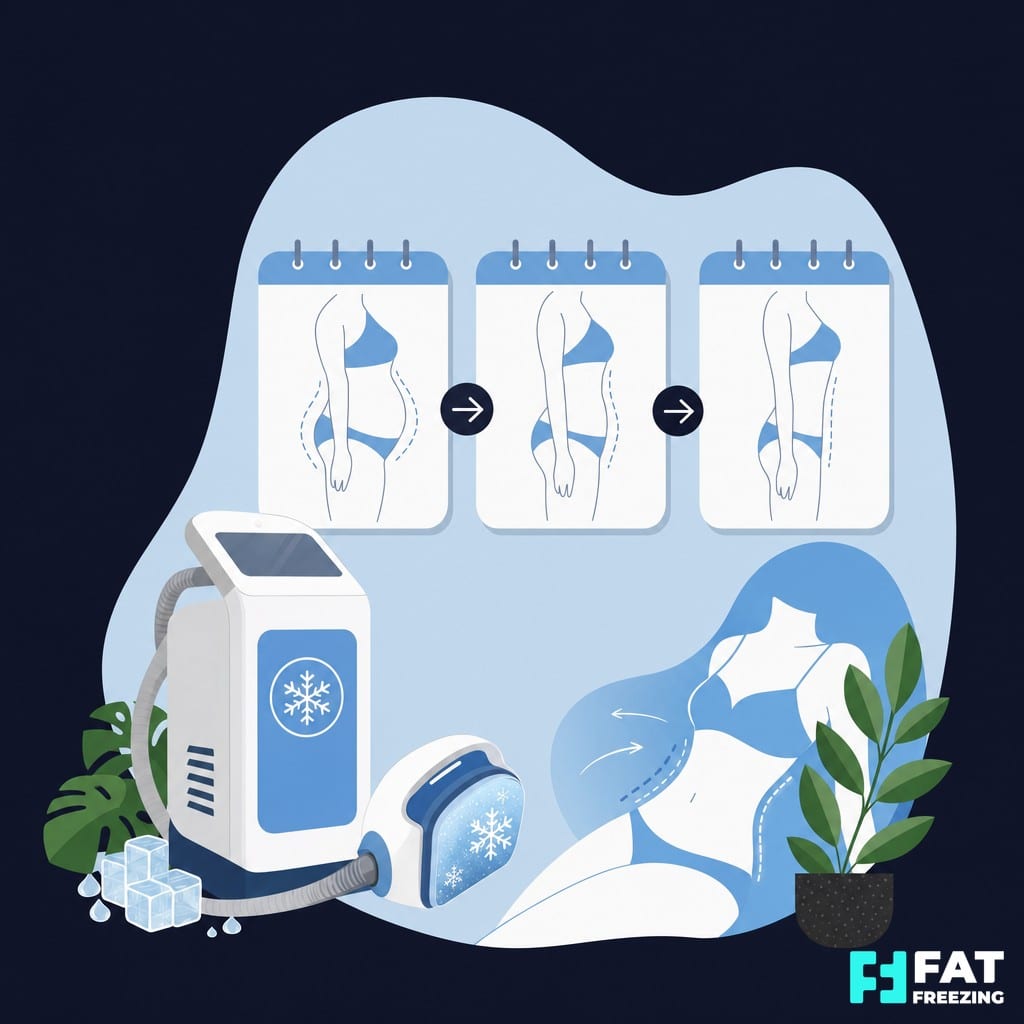
How Cryolipolysis Works in the Body: The Science Step by Step
To understand fat freezing science properly, it helps to look at what happens after the skin is cooled. The process is not instant. The visible change comes from a delayed biological response rather than immediate melting, draining or suctioning away of fat.
Step 1: Fat cells respond to cold more readily than other cells
Adipocytes, or fat cells, contain lipids that are particularly sensitive to cooling. Reviews in the medical literature note that cryolipolysis exploits this differential sensitivity, allowing selective injury to adipose tissue while sparing the epidermis, dermis and other nearby structures when appropriate protocols are followed as described in a peer-reviewed review article.
Step 2: Cold exposure causes crystallisation and stress within the fat layer
Once the tissue is cooled to the intended range, fat cells undergo changes that disrupt their normal function. This does not mean the area becomes an ice block in the everyday sense; rather, the cold exposure creates a controlled injury at a cellular level.
Step 3: The body initiates apoptosis
One of the most important concepts in fat freezing science is apoptosis, or programmed cell death. Instead of traumatic destruction, the treatment prompts a managed and gradual removal process. This is one reason the results tend to emerge progressively rather than overnight.
Step 4: Inflammation begins, then settles
After treatment, the body mounts a mild inflammatory response in the treated area. Over time, inflammatory cells move in and begin to clear the affected fat cells. Histological studies described in medical reviews show this inflammatory phase developing over days and weeks, with gradual reduction in the thickness of the fat layer in clinical evidence indexed on PubMed.
Step 5: Macrophages clear the damaged fat cells
Macrophages are part of the immune system’s clean-up team. They help break down and process the damaged adipocytes, allowing the body to remove them through normal metabolic pathways. This is why the treatment outcome appears natural and incremental.
Step 6: The contour change becomes visible over several weeks
Because the body is doing the work gradually, most people do not see their final result immediately. Harvard Health notes that changes may start to appear in as little as three weeks, with fuller results commonly seen at around three to four months according to Harvard Health. For a practical patient-focused timeline, our article on what results to expect from fat freezing cryolipolysis breaks down when changes usually become noticeable.
That delayed improvement is often misunderstood. People sometimes expect a dramatic day-one result, but the science points to a slower, biologically driven process. This is one of the main reasons good consultations matter: expectations should match the mechanism.
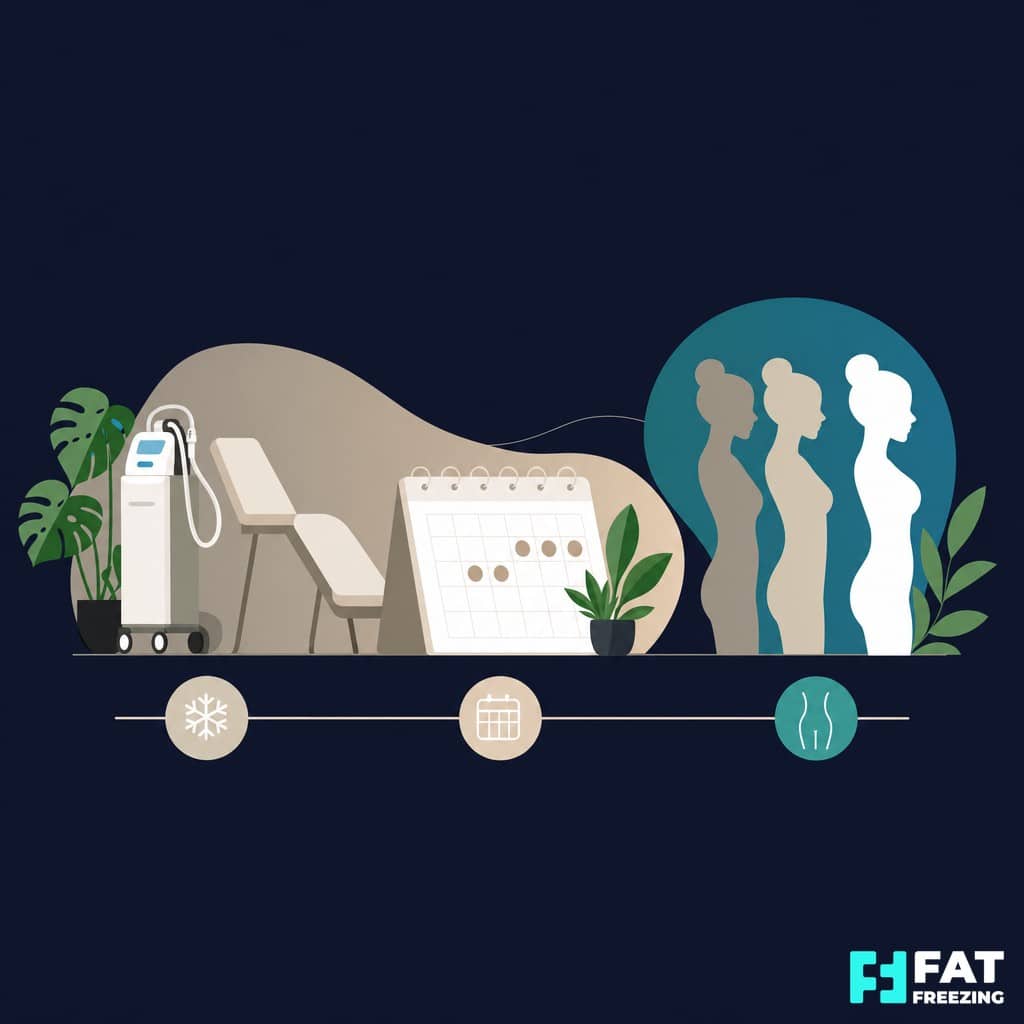
Benefits and Limitations of Fat Freezing
Benefits
- Non-surgical body contouring with no general anaesthetic or incisions.
- Targets stubborn localised fat pockets that may persist despite diet and exercise.
- Research commonly reports measurable fat-layer reduction after a single treatment cycle.
- Little to no downtime for most patients, making it easier to fit around work and daily life.
- Gradual results can look natural because the body clears affected fat cells over time.
- FDA-cleared technology has helped standardise treatment protocols for selected areas.
Considerations
- It is not a weight-loss treatment and will not address obesity or poor metabolic health.
- Results are usually moderate, so some people need more than one session.
- Not every body area or body type is suitable for the treatment.
- Temporary side effects such as numbness, tenderness, redness or swelling can occur.
- Rare complications, including paradoxical adipose hyperplasia, need to be discussed before treatment.
- Outcome quality depends heavily on proper assessment, device choice and practitioner experience.
What Results Does the Evidence Show?
Clinical evidence suggests that cryolipolysis can reduce the fat layer in a treated area by a moderate but meaningful amount. Different studies report slightly different figures depending on body area, device settings and how results are measured, but a commonly cited range is around 10% to 25% reduction per treatment cycle. Cleveland Clinic notes that studies have shown fat reduction of up to 25% in treated areas according to Cleveland Clinic. Review articles indexed on PubMed and PMC report similar ranges, often around 15% to 28% at follow-up in published reviews.
Those figures matter, but they also need context. A 20% reduction in a small pocket of abdominal fat can improve the outline of clothing and body proportions, yet it is not the same as major overall slimming. In other words, cryolipolysis is best understood as contouring science rather than scale-changing science.
How results are measured
In studies, researchers may assess outcomes using caliper measurements, ultrasound, photography, 3D imaging and patient satisfaction data. The more rigorous the measurement method, the more reliable the conclusion. That is why clinical photography and circumference measurements in clinic can be useful, provided they are taken consistently.
How long results last
Available evidence suggests the treated fat cells do not simply bounce back after successful removal. A small long-term follow-up cited in the literature found persistent reduction years later, even with some weight fluctuation as reported in long-term clinical follow-up. However, this does not mean future weight gain is impossible. Remaining fat cells can still enlarge if calorie intake exceeds expenditure over time.
Why some people need more than one treatment
One session may be enough for a subtle improvement, but some clients choose repeat treatment for further contouring after reassessment. The decision should be based on anatomy, goals and response to the first session rather than a one-size-fits-all package. If you are weighing up other non-surgical methods, our comparison of fat freezing vs ultrasound cavitation may help clarify which technology aligns better with your goals.
For those comparing cryolipolysis with injectable approaches, there are also separate mechanisms to consider, as outlined in our guide comparing cryolipolysis vs Aqualyx and our overview of cryolipolysis vs Lemon Bottle. These options are not interchangeable simply because they all sit under the broad heading of fat reduction.
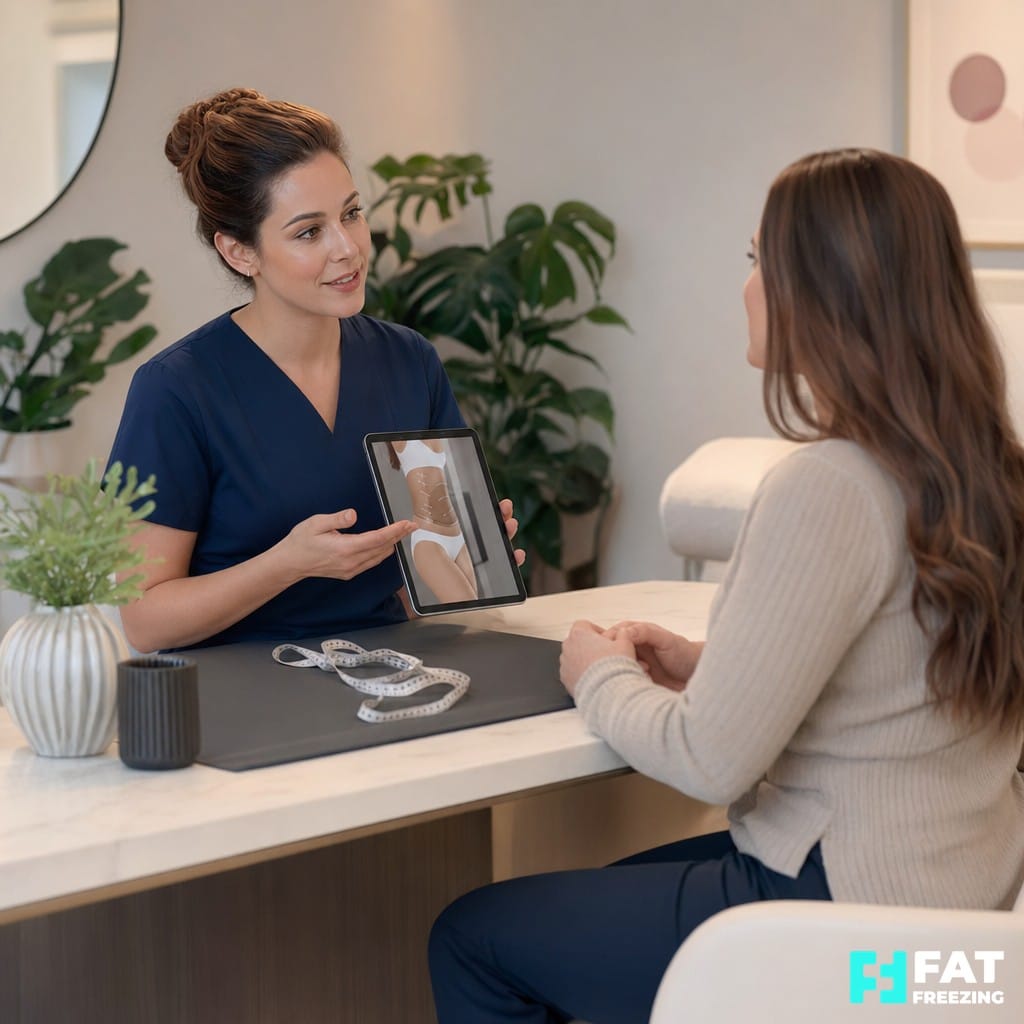
Fat freezing does not make fat vanish overnight; it triggers a gradual biological clean-up that reshapes the treated area over time.
Safety, Risks and Aftercare: What You Need to Know
Cryolipolysis has a generally favourable safety profile when performed correctly on suitable candidates, but safe does not mean risk-free. Common short-term effects include redness, swelling, bruising, tenderness, cramping, tingling and temporary numbness in the treated area. These effects are usually mild and settle without intervention. Harvard Health and other reputable clinical sources note that serious systemic complications are uncommon and there is no evidence that the treatment damages internal organs such as the liver when used as intended according to Harvard Health.
The rare but important risk: paradoxical adipose hyperplasia
The complication that receives most attention is paradoxical adipose hyperplasia, often shortened to PAH. Rather than shrinking, the treated area becomes enlarged and firm over time. It is rare, but it is a recognised complication that should be discussed during consent. Because this topic matters to patient safety, we cover it in more detail in our guide to when fat freezing goes wrong: risks, side effects and safety.
Who may not be suitable
Not everyone is an ideal candidate. People with cold-related disorders such as cryoglobulinaemia, cold urticaria or paroxysmal cold haemoglobinuria are generally unsuitable. A clinician should also review medical history, skin condition, body goals and whether the area contains the right type of fat for treatment. This is particularly important in YMYL topics, where clear screening and informed consent are essential.
Aftercare and why it matters
Although fat freezing is not surgery, aftercare still matters. Hydration, gentle movement, sensible nutrition and following clinic advice may support comfort and recovery. Some clinics also recommend massage protocols depending on the device and treatment plan. You can read more in our fat freezing aftercare guide.
Comparing safety with surgical options
Many people research fat freezing because they want a less invasive option than liposuction. That comparison is reasonable, but the trade-off is important: surgery may produce a bigger change in a single intervention, while cryolipolysis usually offers a milder result with less downtime. Our article on fat freezing vs liposuction surgery explores this difference in more depth.
It is also worth remembering that body contouring treatments work best alongside broader health habits. For people struggling with weight for complex biological or lifestyle reasons, the issue may be bigger than one stubborn pocket of fat. Our resource on why losing weight is more difficult for some people explains some of the wider factors involved.

The best cryolipolysis outcomes come from the right match between treatment, anatomy and expectations.
How to Judge Whether Fat Freezing Is Right for You
If you are considering cryolipolysis, the most sensible question is not simply “does it work?” but “does it work for my goals, my body and this specific area?” The strongest candidates are usually close to their target weight, have localised fat deposits that can be pinched, and want a non-surgical reduction rather than dramatic reshaping.
A good consultation should cover the science, likely outcome, possible side effects, treatment alternatives and whether a different approach would suit you better. For example, some people may be better served by muscle-toning body contouring such as EMSculpt, while others may benefit from combining fat reduction with skin-tightening options such as HIFU body tightening. In some cases, a clinician may suggest that injectable approaches, lifestyle support or no treatment at all would be the more appropriate route.
As with any aesthetic procedure, choose a provider that explains limitations just as clearly as benefits. Ask about practitioner training, device type, contraindications, expected number of sessions and how outcomes are assessed. Avoid anyone who presents fat freezing as effortless weight loss or guarantees identical results for every person.
For readers interested in regulated technology, it is relevant that fat freezing devices in this field are commonly promoted as FDA-cleared for specified uses. That language should still be interpreted carefully: clearance or approval supports the device pathway, but it does not replace proper assessment, informed consent or realistic expectations.
In summary, the science behind fat freezing is credible and increasingly well documented. Controlled cooling can selectively injure fat cells, the body gradually clears them, and visible contour changes can follow. The treatment is neither magic nor myth: it is a legitimate non-surgical body contouring option with moderate evidence, moderate results and real but usually manageable risks when delivered responsibly.
Frequently Asked Questions
Does fat freezing really work?
Yes, evidence suggests that cryolipolysis can reduce localised subcutaneous fat in appropriately selected areas. Clinical studies and review papers commonly report measurable reductions in the treated fat layer, often in the region of 10% to 25% per treatment cycle, depending on the area and protocol as noted by Cleveland Clinic and in peer-reviewed reviews. However, it is a body contouring treatment, not a method of major weight loss.
How long does it take to see results from cryolipolysis?
Some people begin to notice a change after around three weeks, but fuller results usually appear after two to four months as the body gradually clears the affected fat cells. In some cases, changes may continue to develop for several months after treatment. This slower timeline reflects the biology of the process rather than poor treatment performance.
Is fat freezing permanent?
The treated fat cells that have been successfully cleared are not thought to regenerate in the same way, so the reduction can be long lasting. That said, the remaining fat cells in the body can still enlarge if a person gains weight later on. A stable lifestyle therefore helps maintain the contour result over time.
What are the side effects and risks?
Typical short-term side effects include redness, swelling, bruising, numbness, tingling and tenderness. These are usually temporary. A rare but important complication is paradoxical adipose hyperplasia, where the treated area becomes larger rather than smaller over time. A proper consultation should always cover both common side effects and rare complications before treatment.
Is fat freezing better than liposuction?
Neither is automatically better; they serve different needs. Liposuction is surgical and usually achieves a more dramatic reduction in a single procedure, but it comes with greater invasiveness and recovery demands. Fat freezing is non-surgical, usually has minimal downtime and tends to produce subtler results. The best option depends on your goals, anatomy, appetite for downtime and medical suitability.
Which body areas can be treated with fat freezing?
Common treatment areas include the abdomen, flanks, thighs, back, bra line and under the chin, depending on the device and the person’s suitability. The area needs to contain the right kind of localised, pinchable subcutaneous fat. A consultation is needed to decide whether the chosen area is genuinely suitable for cryolipolysis.