Weight loss is not the same challenge for everyone
If you have ever followed a sensible eating plan, exercised regularly and still felt that the scales barely moved, you are not imagining it. For some people, losing weight is genuinely more difficult because the body does not respond in the same way as it does in others. The science is clear that body weight is shaped by a complex interaction between biology, psychology and environment, rather than by willpower alone.
Research shows that genetic differences can affect appetite, metabolism and fat storage, while hormonal conditions such as hypothyroidism, insulin resistance and PCOS can make fat loss slower and more frustrating. At the same time, stress, poor sleep, emotional eating, medication use and repeated dieting can all push the body towards conserving energy rather than burning it. Reputable guidance from the National Institute for Health and Care Excellence (NICE) and evidence reviewed in peer-reviewed obesity research both support the idea that obesity and weight regulation are multifactorial medical issues.
This matters because oversimplified advice can be deeply discouraging. Telling people to simply “eat less and move more” ignores the fact that two people can follow broadly similar routines and still see very different outcomes. Understanding why losing weight is more difficult for some people is the first step towards finding more realistic, personalised and sustainable solutions.
For individuals who are already making healthy changes but remain bothered by stubborn localised fat, body contouring treatments can sometimes complement, rather than replace, lifestyle work. At Fat Freezing, the UK’s leading brand of fat freezing clinics, people often seek advice after doing the hard work on diet and exercise but finding certain areas resistant. If that sounds familiar, it may be useful to read more about fat freezing treatment options and what results to expect from cryolipolysis in the context of targeted fat reduction.
The genetic side of weight gain and weight loss
Genetics do not determine your destiny, but they can load the dice. Scientists have identified a number of genes linked with body weight regulation, including the well-known FTO gene. Variants in this gene have been associated with increased appetite, higher energy intake and greater risk of weight gain. In practical terms, this means some people may feel hungrier more often, become less satisfied after eating, or find themselves more drawn to energy-dense foods. Reviews available through PubMed suggest that genetic influences on obesity are real, measurable and clinically relevant.
Genes can also affect how the body stores fat, how efficiently it uses calories and how responsive it is to hunger and fullness signals. Someone with a strong genetic predisposition to obesity may need to work harder to maintain the same body weight as someone without that predisposition. That does not mean change is impossible. It means the starting point and the biological resistance may be different.
One reason this is often misunderstood is that genetics are invisible. If one person gains weight easily and another appears to stay slim with little effort, outsiders may assume the difference is discipline. In reality, inherited traits may influence:
- baseline appetite and satiety
- resting metabolic rate
- tendency to store fat around the abdomen
- response to high-sugar or high-fat foods
- how strongly the brain responds to food reward
There is also evidence that family patterns matter beyond DNA alone. Households often share food culture, meal timing, stress levels and activity habits, which can amplify biological tendencies. So when people say, “weight problems run in my family”, they may be describing both genes and environment acting together.
Metabolic adaptation: why the body fights back
Even when weight loss begins successfully, the body often responds by trying to protect itself. This process, called metabolic adaptation, means that as body weight falls, the body uses fewer calories than expected. In effect, the body becomes more energy-efficient. This is thought to be an evolutionary survival mechanism, helping humans endure food scarcity. A modern review of adaptive thermogenesis on PubMed explains how energy expenditure can drop during and after weight loss, making continued progress slower.
This helps explain why the first few kilograms may come off more easily than the next few. It also explains why keeping weight off can feel harder than losing it in the first place. Your body may be burning fewer calories, while also increasing signals that drive hunger.
Leptin resistance and appetite regulation
Leptin is a hormone made by fat cells that helps tell the brain when there is enough energy stored, reducing appetite. In many people carrying excess weight, this signalling becomes less effective, a phenomenon often referred to as leptin resistance. Although leptin levels may be high, the brain does not respond properly, so appetite suppression is weakened. This can create a frustrating cycle: the body has stored energy, yet still behaves as though it needs more food.
The result is that some people are not just “tempted” to overeat; they are dealing with disrupted biological signalling that makes fullness harder to detect and cravings more persistent. That distinction is important, because it reframes weight loss as a medical and behavioural challenge, not a moral failing.
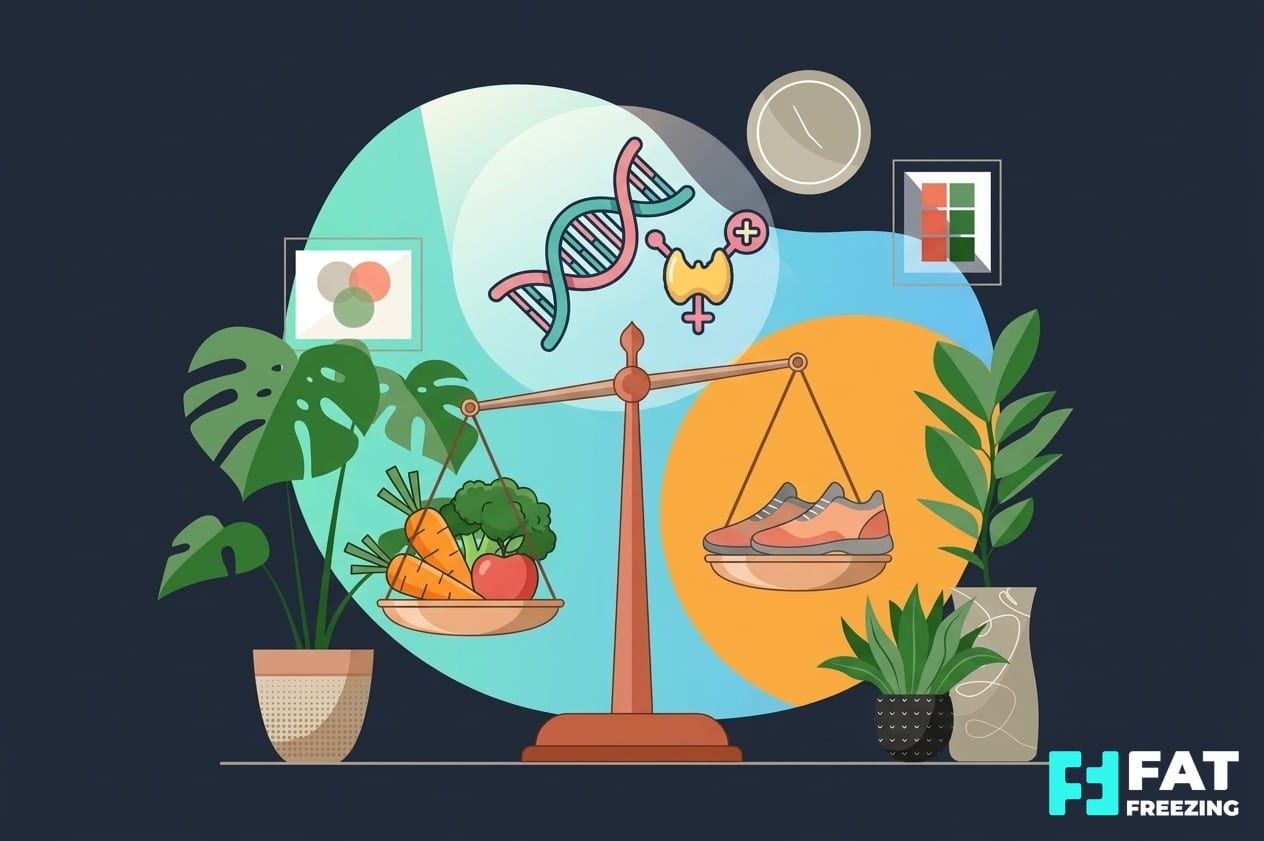
Why understanding the cause of weight struggle matters
Benefits
- Helps replace blame and stigma with a more accurate, science-based understanding
- Makes it easier to seek appropriate medical assessment for thyroid issues, insulin resistance or PCOS
- Supports more personalised plans around nutrition, activity, sleep and stress management
- Can improve motivation by setting realistic expectations about pace of progress
- Highlights when targeted body contouring may be useful for stubborn areas after lifestyle changes
Considerations
- Can feel overwhelming if several factors are affecting weight at once
- May require blood tests, medication reviews or specialist referrals before a clear picture emerges
- Progress is not always linear, especially where metabolic adaptation is involved
- Some underlying causes cannot be changed completely, only managed carefully
- Body contouring treatments do not treat obesity or replace healthy lifestyle habits
Hormones, medical conditions and medicines that can slow progress
Hormones play a central role in energy balance, appetite and fat storage. When hormonal systems are disrupted, weight loss can become harder even when someone is making sensible changes. This is why persistent weight gain or unusually difficult weight loss deserves proper assessment, particularly if it is accompanied by fatigue, menstrual changes, swelling, sleep problems or changes in mood.
Hypothyroidism
An underactive thyroid can reduce metabolic rate and contribute to fatigue, low mood and weight gain. The NHS information on hypothyroidism notes that symptoms often include tiredness and weight gain. While treatment does not automatically lead to dramatic fat loss, correcting thyroid hormone levels can remove one important barrier.
Insulin resistance
Insulin helps move glucose from the bloodstream into cells. When the body becomes resistant to insulin, blood sugar regulation is impaired and the body is more likely to store excess energy as fat. Insulin resistance is common in people with overweight and obesity and can make hunger, cravings and energy crashes more frequent. It is also closely linked with type 2 diabetes risk.
PCOS and female hormonal changes
Polycystic ovary syndrome can make weight management more complex through insulin resistance, altered appetite signalling and hormonal imbalance. Likewise, postpartum changes and menopause can affect where fat is stored and how easily it is lost. The transition through menopause in particular is often associated with increased abdominal fat and changes in body composition, even without major changes in diet.
Cortisol and chronic stress
Cortisol is often called the stress hormone, but its effects are not just emotional. Chronic stress can increase appetite, particularly for highly palatable foods, while also shifting the body towards abdominal fat storage. There is good evidence that prolonged stress affects eating behaviour and body weight regulation. If your lifestyle includes long working hours, poor sleep and little downtime, your body may be under pressure that directly undermines fat loss.
Medication-related weight gain
Some medicines can also contribute to weight gain or make weight loss slower. These may include certain antidepressants, steroid medicines and some hormonal contraceptives. That does not mean you should stop them without advice. It does mean a medication review can be worthwhile if weight changes began after starting treatment.
When people discover that a genuine hormonal or medical factor is involved, they often feel relief. It confirms that the difficulty was not imagined. It also allows a more targeted plan. In some cases, once the underlying issue is managed, healthy lifestyle changes become far more effective.
For those who have reached a healthier routine yet still struggle with isolated pockets of fat, non-surgical options such as fat dissolving injections with Aqualyx, Lemon Bottle treatments or ultrasound cavitation may be discussed as aesthetic contouring choices. These are not substitutes for medical care, but they can be relevant once broader health factors have been addressed.
When weight loss feels unusually hard, the problem is not always effort. Often, the body is responding to genetics, hormones, stress or past dieting in ways most people cannot see.
Psychology, stress and the environment around you
Weight is regulated by the brain as much as by the body. Emotional state, stress exposure, sleep quality and life circumstances all shape eating behaviour. This is one reason why advice that focuses only on calories can miss the bigger picture.
Emotional eating and mental health
Many people eat not because they are physically hungry, but because food offers comfort, distraction or relief. Emotional eating can be triggered by stress, sadness, boredom, loneliness or habit. Depression and anxiety may also reduce energy for shopping, cooking and exercise, while increasing the appeal of convenience foods. Weight stigma can make this worse, creating a cycle of shame, restriction, overeating and further distress.
If you have a history of criticism about your weight, repeated dieting failures or negative body image, those experiences can affect current behaviour. In that sense, psychology is not separate from weight loss; it is deeply woven into it.
Sleep and modern stress
Sleep deprivation alters hormones linked to appetite and satiety, often making people feel hungrier and less satisfied after meals. Poor sleep also reduces motivation for movement and increases reliance on sugary snacks and caffeine. Add in sedentary work, screen time and high stress, and the body is pushed towards energy conservation rather than expenditure.
The food environment matters
We do not make food choices in a vacuum. Processed, calorie-dense foods are cheap, heavily marketed and available everywhere. Larger portion sizes have become normal, and many neighbourhoods offer easier access to takeaways than to affordable fresh produce. People on lower incomes may have fewer opportunities for organised exercise, limited time for meal preparation and less access to professional support.
These environmental pressures matter because they create a constant uphill battle. Someone trying to lose weight while juggling shift work, childcare, financial strain and poor sleep is working against more than appetite alone.
Why exercise alone is rarely enough
Physical activity is excellent for overall health, fitness, mood and long-term weight maintenance. However, exercise by itself often does not create a large enough calorie deficit for meaningful fat loss, particularly if it increases appetite. NICE guidance supports combining dietary change with activity rather than relying on exercise alone. In practice, this means movement is important, but nutrition and appetite management remain central.
For people who want to improve body shape while also building muscle tone, options such as EMSculpt body sculpting may sit alongside exercise habits, while those concerned about skin firmness after weight changes sometimes explore HIFU body tightening. Again, these are complementary aesthetic services, not replacements for evidence-based weight management.
Previous dieting can change future results
Repeated weight loss attempts may have physiological consequences. Some researchers describe a form of metabolic debt, where daily energy expenditure becomes lower after cycles of weight loss and regain. This may help explain why people often say, “I could lose weight more easily in my twenties” or “every diet works less than the last one”. If your history includes crash diets, extreme restriction or repeated regain, your body may now resist further loss more strongly.
That is why sustainable methods matter. Slower progress with a realistic plan is often more protective than severe dieting followed by rebound weight gain.
If you are considering localised fat reduction after stabilising your weight, it is sensible to understand treatment differences and limitations. Resources such as fat freezing vs ultrasound cavitation, fat freezing vs liposuction surgery and fat freezing risks and safety considerations can help set realistic expectations.
The most helpful weight-loss plan is not the most extreme one; it is the one that accounts for your biology, your lifestyle and your real life.
What to do if weight loss feels harder for you
If your progress feels much slower than expected, the best next step is not self-blame. It is investigation. A sensible, evidence-based approach includes looking at the whole picture rather than focusing on one single cause.
Start with a medical review
Consider speaking to a GP or qualified healthcare professional if you have unexplained weight gain, persistent difficulty losing weight, extreme fatigue, menstrual irregularities, symptoms of thyroid problems, signs of insulin resistance or concerns about medication side effects. Blood tests and a health review may help identify barriers that need treating first.
Build the fundamentals
For most people, sustainable progress still rests on a few core behaviours:
- a realistic calorie deficit created mainly through nutrition
- adequate protein and fibre to support fullness
- regular physical activity for health, mood and maintenance
- sleep and stress management
- attention to emotional eating triggers
- patience with non-linear progress
It can also help to track trends rather than obsessing over daily fluctuations. Hormones, hydration, digestion and the menstrual cycle can all shift scale weight temporarily.
Know the role of body contouring
Body contouring is often most appropriate for people who are close to their target weight but have stubborn areas that do not respond as they would like. Treatments such as cryolipolysis are designed to target localised fat, not to treat obesity or replace healthy living. If you are exploring this area, you may find it useful to read about why aftercare matters after cryolipolysis and how fat freezing compares with Mounjaro in the context of weight loss and body contouring.
The key is to match the solution to the problem. If the main issue is untreated hypothyroidism or chronic stress, a cosmetic treatment is not the answer. If the issue is a small, stable pocket of fat on the abdomen, flanks or thighs after consistent healthy habits, aesthetic contouring may be a reasonable next step.
A more compassionate way to think about weight
The deeper message here is simple: people do not all experience weight loss in the same way. Biology can make the journey slower, hormones can complicate the process, mental health can alter behaviour, and environment can shape what feels possible day to day. Once that is understood, weight management becomes less about blame and more about strategy.
That shift in mindset is powerful. It allows people to seek support earlier, choose methods more wisely and stop judging themselves against someone else’s metabolism, genetics or life circumstances.
Frequently Asked Questions
If weight loss is biologically difficult, is it still possible?
Yes, in many cases it is still possible, but the route may need to be more personalised and realistic. Genetics, metabolic adaptation and hormones can make progress slower, but they do not automatically make progress impossible. The most useful approach is to identify the factors affecting you specifically. A healthcare professional may review thyroid function, insulin resistance, PCOS, medication use, sleep and stress. From there, a plan can be tailored around nutrition, physical activity, behaviour change and, where appropriate, medical treatment.
Can stress really make it harder to lose weight?
Yes. Chronic stress can raise cortisol, which is linked with increased appetite, stronger cravings for high-calorie foods and a greater tendency to store fat around the abdomen. Stress also affects sleep, mood and decision-making, making healthy routines harder to maintain. Managing stress through therapy, mindfulness, better sleep routines, boundaries around work and regular movement can improve weight-loss outcomes as well as general wellbeing.
Should I focus on exercise or diet first?
Both matter, but for weight loss itself, dietary intake is usually the stronger lever. Exercise is important for heart health, mobility, mood, muscle mass and long-term weight maintenance, but it may not create a large enough calorie deficit on its own. NICE guidance recommends combining activity with dietary change. In practical terms, that means using nutrition to support fat loss while using exercise to protect health and body composition.
Can medication be the reason I am gaining weight?
It can be a contributing factor. Some antidepressants, steroid medicines and other drugs may increase appetite, alter metabolism or affect fluid balance and fat storage. Never stop a prescribed medicine without medical advice, but do raise concerns with your GP or prescriber. In some cases, an alternative medicine or a different management strategy may be available.
Are fat freezing and similar treatments a solution for difficult weight loss?
They are not a treatment for obesity or a replacement for healthy habits. Instead, they are typically used for localised, stubborn fat in people who are already working on their weight or are near a stable target. That distinction matters. Treatments such as cryolipolysis can support body contouring goals, but they do not correct hormonal imbalance, poor sleep, emotional eating or metabolic issues. A good clinic should assess suitability carefully and explain the limits as well as the potential benefits.