
0333 012 4065Live Chat

Concern guide

Post-Pregnancy Tummy

After pregnancy, abdominal shape may reflect skin laxity, fat distribution, muscle separation, posture and recovery.

Understanding

About this concern

The abdomen changes during pregnancy as skin, muscle and connective tissue stretch. Afterwards, a rounded or softer tummy may reflect localised fat, loose skin, reduced muscle tone or separation of the abdominal muscles.

These components need different care. Pelvic-floor symptoms, pain, a suspected hernia or abdominal separation should be assessed by a doctor or women’s-health physiotherapist before cosmetic treatment.

Compare your options

Treatments for post-pregnancy tummy

A consultation is the starting point: the most appropriate option depends on what is creating the concern, your goals and your medical history.

EMSculpt

EMSculpt

From £99

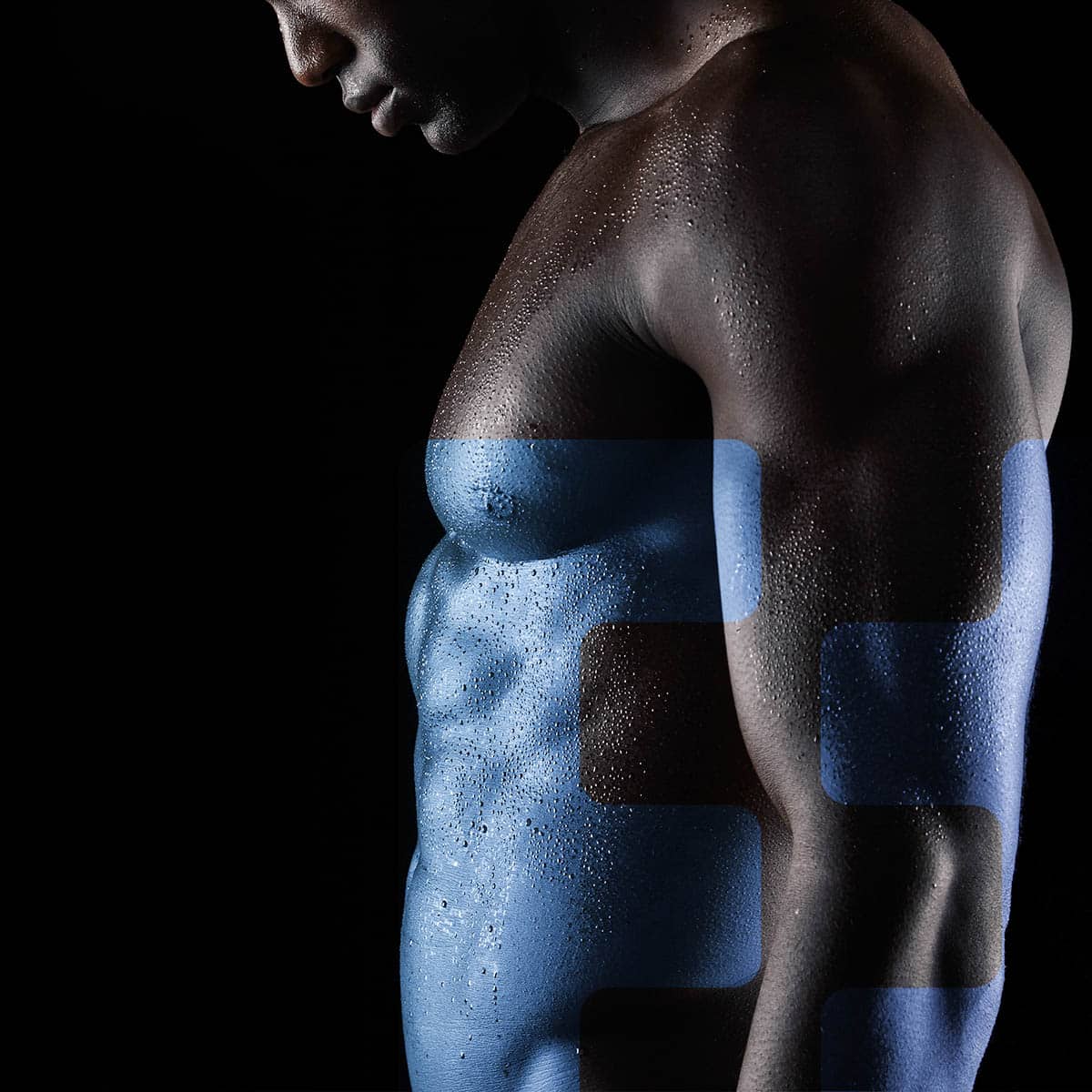
EMSCULPT uses induced muscle contractions to work on tone and definition around the abdomen after pregnancy. It is a body-shaping treatment and does not replace exercise or provide medical weight loss.

Why consider itBest considered when reduced muscle tone, rather than fat alone, affects the abdomen after pregnancy.

Fat Freezing

Fat Freezing – Cryolipolysis

From £49

Fat freezing uses controlled cooling on a suitable pinchable pocket of fat around the abdomen after pregnancy. It is intended for localised contouring rather than weight loss or loose-skin treatment.

Why consider itA needle-free option when the abdomen after pregnancy contains a clearly defined, pinchable fat pocket.

Before you decide

Things to consider

Treatment should wait until postpartum recovery is complete, breastfeeding and future pregnancy plans have been discussed, and weight is stable. Fat reduction does not repair muscle separation, and muscle stimulation is not a substitute for rehabilitation. Non-surgical options cannot match a tummy tuck where substantial excess skin is present.

Common questions

Post-Pregnancy Tummy FAQs

What can cause a post-pregnancy tummy?

Skin laxity, localised fat, reduced muscle tone, posture and separation of the abdominal muscles can all contribute.

Can fat freezing repair abdominal muscle separation?

No. Fat reduction does not repair diastasis recti; appropriate medical or physiotherapy assessment is needed.

When can treatment be considered after pregnancy?

Only after adequate recovery, with weight, breastfeeding, future pregnancy plans and any pelvic-floor or abdominal symptoms considered.

Not sure which option fits?

Choose WhatsApp, phone, callback or live chat to discuss the area and which options may suit you.