
0333 012 4065Live Chat

Concern guide

Sagging Breasts

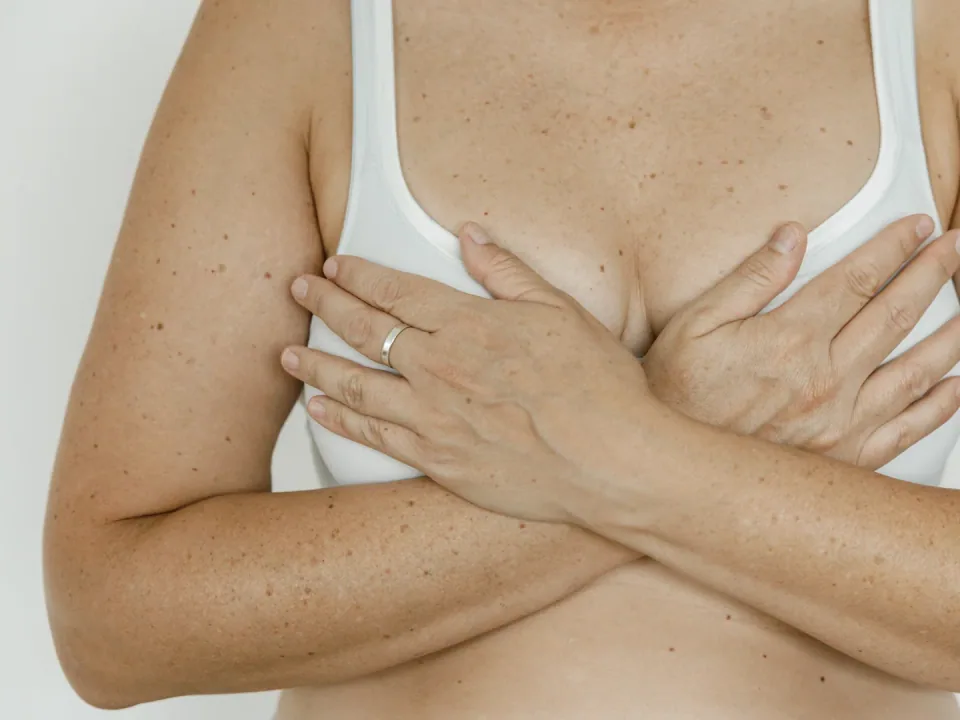
The breasts can sit lower or lose upper fullness after pregnancy, weight fluctuation and ageing, with genetics and skin support also playing a part.

Understanding

About this concern

A change in breast position is often described as sagging or ptosis. It may follow pregnancy, breastfeeding or weight loss, or develop gradually as skin and supportive tissues change over time.

For mild concerns, a non-surgical treatment may offer a small improvement in firmness or surface quality. It cannot remove spare skin, raise the nipple or deliver the structural change of a surgical breast lift.

Compare your options

Treatments for sagging breasts

A consultation is the starting point: the most appropriate option depends on what is creating the concern, your goals and your medical history.

Non-Surgical Breast Lift

Non-Surgical Breast Lift

From £65

This treatment combines external body technologies with the aim of improving mild laxity and the visible outline of the bust. It provides a subtler result than surgery and does not remove or reposition breast tissue.

Why consider itDesigned for someone seeking a modest change in appearance without an operation.

HIFU Facelift

HIFU Facelift & Body Tightening

From £99

Focused ultrasound can be considered for selected areas of mild skin looseness around the bust. Its role is limited to firmness and it cannot reshape significant sagging or replace mastopexy.

Why consider itMay be relevant when skin quality, rather than breast volume, is the main concern.

Before you decide

Things to consider

Breast health comes before cosmetic treatment. A recent lump, discharge, nipple alteration, skin puckering or a change affecting only one side needs appropriate medical review. Any treatment plan must also account for implants, earlier surgery and the anatomy of the breast, with conservative expectations about what external energy devices can achieve.

Common questions

Sagging Breasts FAQs

Why can breast position change over time?

Pregnancy, weight movement, age, inherited tissue quality and the long-term effect of gravity can all alter the shape and level of the breasts.

Will a non-surgical option give the same result as mastopexy?

No. Only surgery can remove a meaningful amount of excess skin and reposition breast tissue or the nipple.

What breast symptoms should be checked before treatment?

Seek medical advice for a new lump, discharge, nipple or skin changes, dimpling, or any unexplained difference between the two breasts.

Not sure which option fits?

Choose WhatsApp, phone, callback or live chat to discuss the area and which options may suit you.